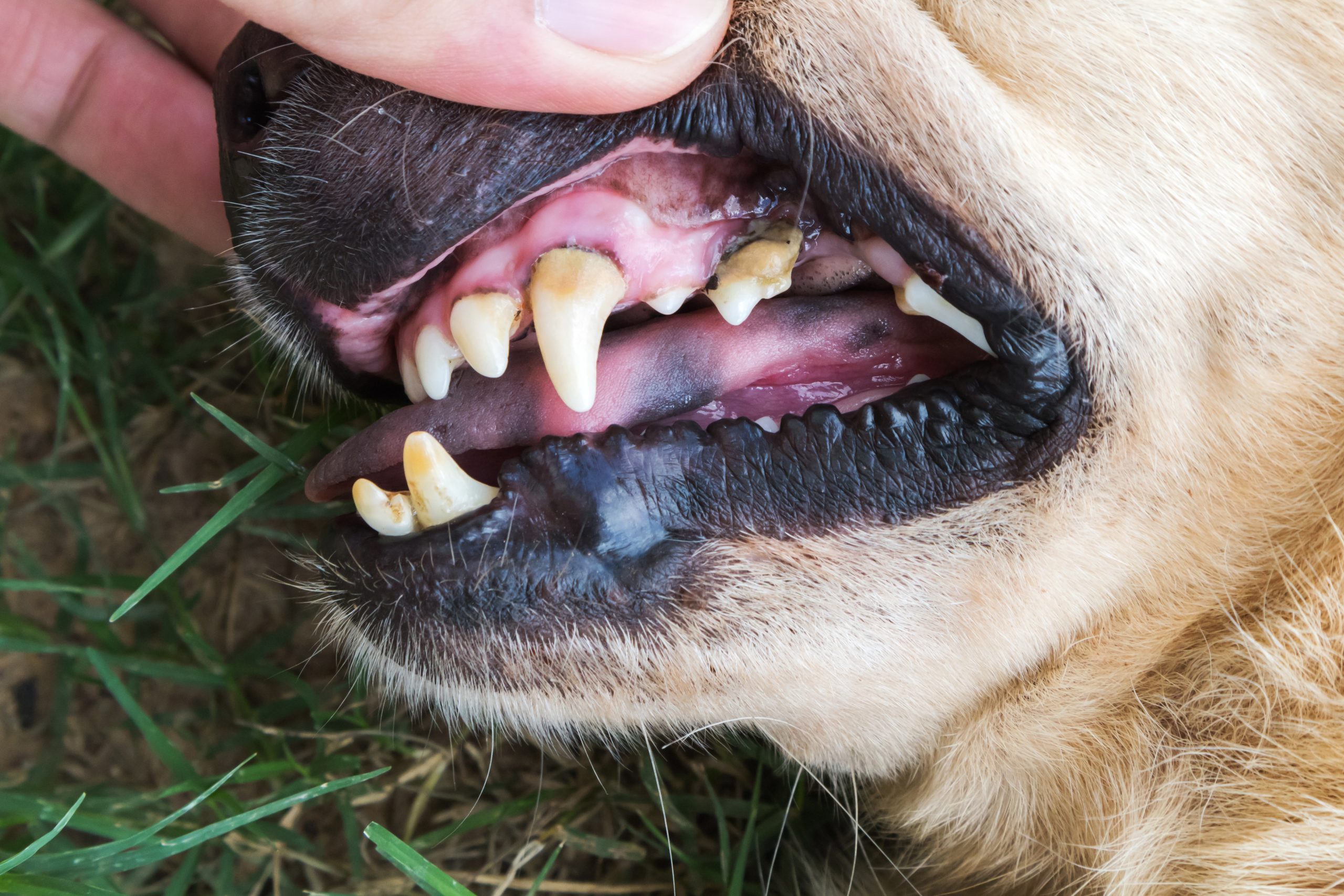
Tartar, also known as dental calculus, is hardened plaque that adheres to the enamel of the teeth and can extend below the gum line. It’s composed of mineral deposits, food particles, and bacteria, and its presence can lead to gingivitis, periodontal disease, and even systemic health issues if bacteria enter the bloodstream through the gums.
This article delves into the importance of tartar removal in canine dental care and explores how dental and gum supplements can support this process.
Tartar begins as plaque, a sticky film that forms on teeth after eating.
When plaque isn’t removed through regular brushing, it can calcify into tartar within 24-72 hours.
This hardened substance is much more difficult to remove and creates a protective environment for bacteria to thrive, leading to inflamed gums, bad breath, and other dental issues.
Professional dental cleaning, or prophylaxis, performed by a veterinarian, remains the most effective method for removing tartar from a dog’s teeth. This process, known as dental scaling, can prevent the progression of periodontal disease, which is crucial for maintaining the overall health of the dog. During a scaling procedure, veterinarians use specialized tools, such as hand scalers and ultrasonic scaling devices, to meticulously remove tartar deposits. These tools are designed to clean both above and below the gum line, targeting areas that are particularly susceptible to bacterial growth and infection.
The procedure often involves polishing the teeth after tartar removal, which smooths the surface of the teeth and can help to slow the subsequent accumulation of plaque and tartar. A thorough dental examination, which may include X-rays, allows the veterinarian to assess the health of the jaw and the tooth roots located below the gum line. This comprehensive approach ensures that any hidden dental issues can be identified and addressed promptly.

However, there are considerations to keep in mind with professional dental cleanings. Since the process can cause discomfort and stress for the animal, general anaesthesia is used to ensure the safety and efficacy of the cleaning. Anesthetizing animals allows for a thorough and precise cleaning but carries its own risks, especially for older dogs or those with health issues. Consequently, veterinarians will typically conduct a pre-anaesthetic blood workup to ensure the dog is fit for the procedure.
It’s important to note that while anaesthesia carries a degree of risk, advancements in veterinary medicine have made it safer than ever. Modern anaesthetics are more effective, and the monitoring equipment used during the procedure helps to manage and minimize potential complications.
Still, given these factors, professional dog dental cleaning is often reserved for cases where tartar build-up is significant and poses a risk to the dog’s dental and systemic health. This includes rescue dogs who may have been neglected and have accumulated severe tartar and plaque, or dogs with dental diseases that may require surgical interventions such as tooth extractions. For these dogs, professional dental cleaning can provide a much-needed fresh start for their dental health.
Preventive measures are essential to minimize the frequency of professional cleanings. These include daily brushing, specialized diets, dental chews and supplements, and regular check-ups. The goal is to maintain dental hygiene and prevent the tartar build-up that necessitates professional intervention. By proactively managing a dog’s dental care, owners can contribute significantly to their pet’s overall health and longevity, avoiding the need for frequent anaesthetic procedures and ensuring their beloved companions remain as healthy and comfortable as possible.


At-home dental care is crucial in controlling tartar build-up. Here are some effective at-home tartar control methods:
Regular Brushing
Daily brushing with dog-specific toothpaste can significantly reduce plaque before it turns into tartar.
Chews and Toys
Specially designed chews and toys can help mechanically remove plaque from the teeth.
Diet
The diet can play an important role for dogs overall dental health.
Dental Supplements
In addition to mechanical removal methods, dental and gum supplements, like maxxidental, can be a helpful adjunct in managing tartar.


Tartar removal is a critical component of canine dental care. While professional dog dental cleaning works best in removing dog tartar, it requires anaesthesia which has some risk involved for some dogs. It is therefore vital to prevent tartar build-up in the first place.
Regular brushing, chews, toys, diet and dental supplements all play an important role in maintaining good canine dental hygiene.
Supplements for dental and gum health offer additional support by providing the necessary nutrients to combat plaque and strengthen gum tissue. However, they should complement, not replace, regular dental care practices.
Through a comprehensive approach that combines professional care, at-home maintenance, and the strategic use of supplements, pet owners can ensure their dogs have the best defence against tartar build-up and its associated health risks.